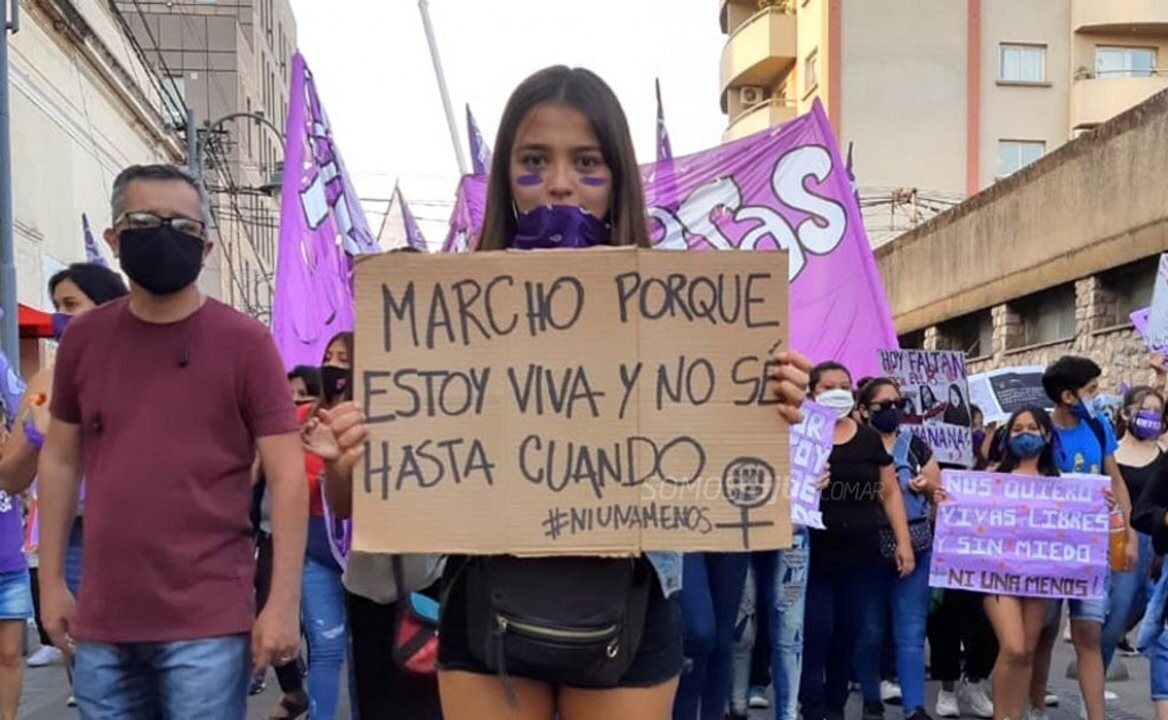
On November 25, the International Day for the Elimination of Violence against Women is commemorated. This year, the UN and pioneering organizations highlighted the slogan 'Unite to end violence against women and girls'. The date marks the beginning of 16 days of activism against gender-based violence, which concludes on December 10, coinciding with International Human Rights Day. As explained by official sources, the commemoration aims to mobilize 'all members of society' because 'governments must end impunity through laws that penalize it; technology companies must guarantee the security of platforms and remove harmful content'. In 2025 so far, there have been 178 femicides, that is, one every 36 hours, and 264 attempted murders of victims of gender-based violence have been counted. However, in the context of the Lourdes Fernández case, the psychologist specializing in gender, trafficking, and exploitation of persons, Daniela Gasparini, in dialogue with this medium, emphasized that 'when women report, we have to see what kind of support they have. You cannot expect them to have the strength to go and file a complaint'. The specialist also added: 'There is a myth that if she is there, it is because she is not a victim, but because she wants it or likes it'. She explained: 'There are a lot of women who are currently victims of violence. It's not that they don't realize it, but they are manipulated, their self-esteem and empowerment are undermined. And do not underestimate the complaints'. Online, the specialist concluded: 'We have to demand that the Judicial Power start taking measures seriously to protect the victims. There are more advanced devices, but for the moment one can have the dual of the bracelets that sees and evaluates the approach of the violent'.
'The panic button puts all the attention on the victim, who may be in a state of emotional shock and cannot call emergency services. They are given a panic button or some restriction on approaching', the specialist added.